From Technique to Tricks: How to Take Your Kitesurfing Jumps to the Next Level


From Technique to Tricks: How to Take Your Kitesurfing Jumps to the Next Level
Mastering a jump on your kiteboard is one of the most thrilling experiences the sport has to offer. It’s that perfect blend of timing, control, and courage — the moment you lift off the water and feel the wind carry you. But how do you move from small, controlled hops to soaring jumps and stylish tricks? Here’s a step-by-step guide to help you take your kitesurfing jumps to the next level.
Nail the Fundamentals First
Before you start experimenting with rotations and grabs, your basic jump technique needs to be rock solid. A great jump isn’t just about yanking the bar — it’s about precision, timing, and balance.
- Speed and edge control: Build up good speed before takeoff. Edge hard against the wind to load tension into your lines. The more energy you store, the more lift you’ll get.
- Kite position: Keep your kite around 11 o’clock (or 1 o’clock if you’re riding the other direction). As you edge and prepare to pop, send the kite quickly toward zenith — that’s what gives you lift.
- Takeoff and bar control: Just before you release your edge, pull the bar in to maximize lift. Once airborne, keep the bar steady and avoid oversteering.
Practice soft, controlled landings — board pointed downwind, knees slightly bent. A smooth landing means your technique is dialed in.
Read the Wind Like a Pro
Wind conditions make or break your jumps. Too much wind can make the kite hard to control, while too little won’t give you enough lift.
- Light to moderate wind (12–18 knots): Ideal for practicing timing and technique.
- Steady wind: Offers predictable lift and helps you focus on your movement.
- Gusty wind: Demands extra attention — keep your eyes on the kite and be ready to adjust the bar.
Learn to read the water’s surface. Ripples, color changes, and small gust lines can reveal wind shifts you can use to your advantage.
Going Higher: Power and Timing
Once you’ve mastered the basics, it’s time to work on height. The key lies in how you load and release your edge, and how you move the kite.
- Stronger edging: The harder you edge, the more energy you store for takeoff.
- Kite movement: Send the kite faster toward zenith, and pull the bar in right as you release your edge.
- Body position: Keep your body compact in the air — it helps with stability and control.
A great tip is to record your sessions. It’s hard to feel subtle differences in timing, but video lets you see exactly when you take off and how your kite moves.
First Tricks: Grabs and Rotations
Once you’re comfortable jumping high and landing cleanly, it’s time to add some style. Start with simple grabs — they not only look good but also help you control the board midair.
- Indy grab: Back hand grabs the board between your feet on the underside.
- Tail grab: Back hand grabs the tail of the board.
- Nose grab: Front hand grabs the front of the board.
When you’re ready, start experimenting with rotations. Begin with small 180s and work your way up to full 360s. Remember, rotations start with your head and shoulders — not just your legs.
Mindset and Progression
Kitesurfing is as much a mental game as a physical one. Fear of losing control can hold you back, but steady progress builds confidence.
- Set realistic goals for each session — for example, “Today I’ll land three clean jumps.”
- Visualize the movement before you try it.
- Accept that crashes are part of learning — just make sure you learn from them.
As you grow more comfortable in the air, you’ll start to play with movement and flow. That’s when kitesurfing becomes truly addictive.
Safety First — Even When You’re Pushing Limits
Chasing big air is exciting, but safety should always come first. Always wear a helmet and impact vest, and make sure your gear is in top condition. Check your lines, quick release, and bindings before every session.
Keep a safe distance from other riders — especially when practicing jumps. A sudden gust or steering mistake can lead to collisions fast.
Læs også:



From Technique to Freedom
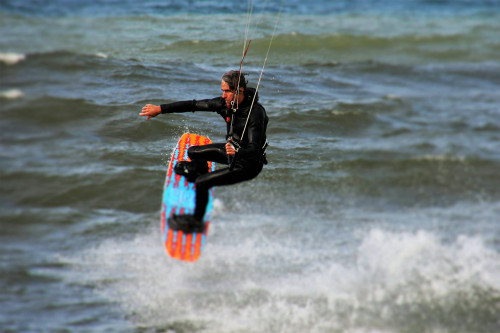
Taking your kitesurfing jumps to the next level isn’t just about going higher — it’s about finding freedom in motion. When your technique clicks and you start experimenting with confidence, a whole new world opens up. You’ll feel the wind, water, and your body working together in perfect harmony.
And that’s where the magic of kitesurfing truly lives — in that fleeting moment when you’re airborne, weightless, and completely free.
Læs også: