A Poker Hand from Start to Finish – Understanding the Phases of the Game and Strategic Decisions

A Poker Hand from Start to Finish – Understanding the Phases of the Game and Strategic Decisions
A poker hand is much more than luck and cards. It unfolds through a series of phases, where every decision can change the outcome—from the moment the first cards are dealt to the final chip pushed across the table. To truly understand the game and improve as a player, it’s essential to know each phase and the strategic thinking behind it. Here’s a walkthrough of a typical hand in Texas Hold’em—the most popular poker variant in the United States and around the world.
Before the Cards Are Dealt – Position and Preparation
The game begins even before the first card hits the felt. Your position at the table—where you sit relative to the dealer—has a major impact on how you should play. Players in late position have the advantage of seeing how others act before making their own decisions.
As a general rule, you should play more cautiously in early position and more aggressively in late position. It’s all about information: the more you know about your opponents’ actions, the better your decisions will be.
Pre-Flop – The First Decisions
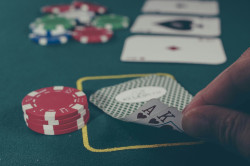
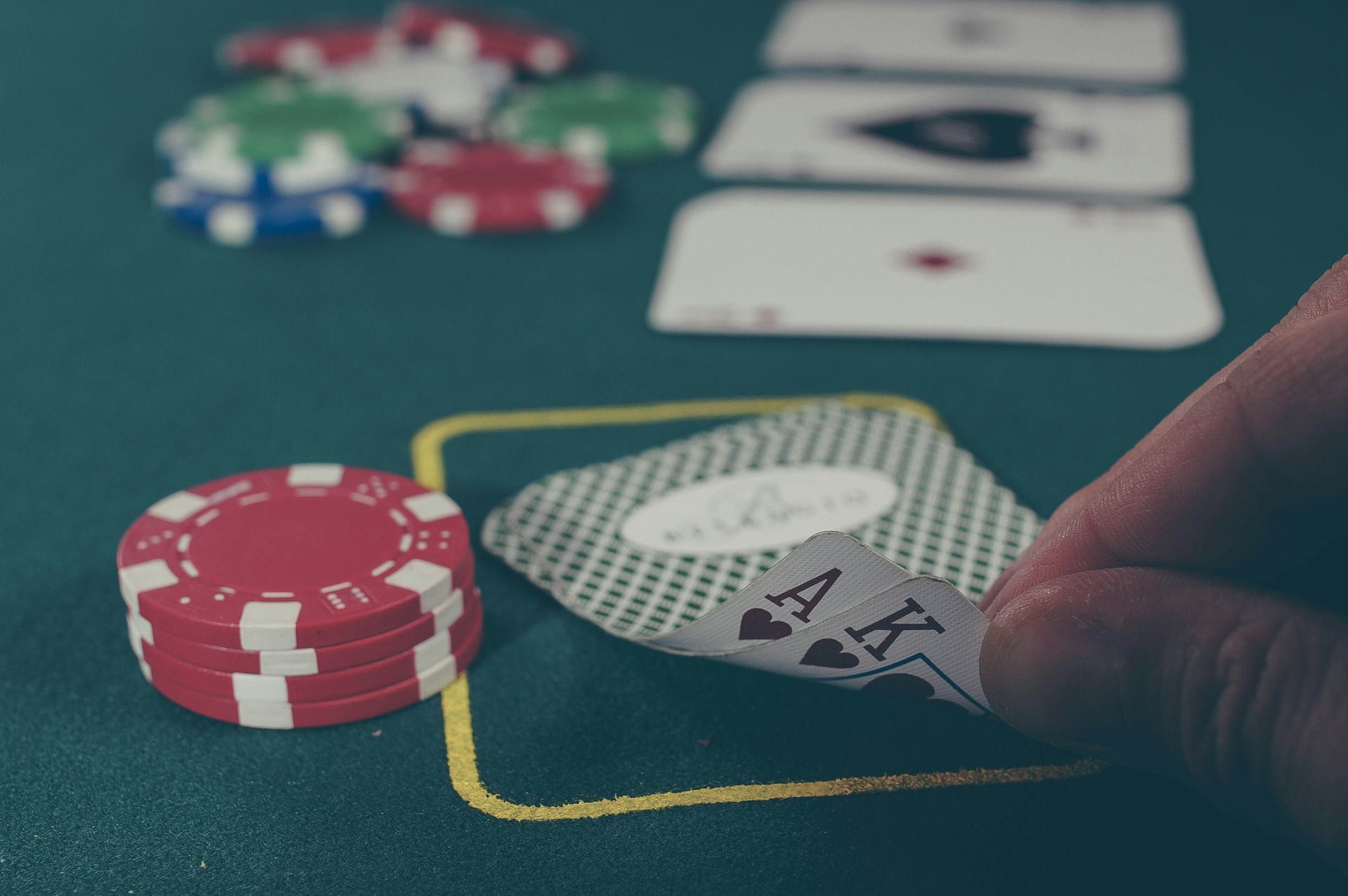
Once you receive your two hole cards, the first betting round begins. Here, you must decide whether your hand is worth playing. Strong hands like pocket aces or kings are obvious to play, while weak hands like 7-2 offsuit are usually best folded.
But it’s not just about the cards. You also need to consider:
- Position: Are you acting first or last?
- Opponents: Are they playing aggressively or passively?
- Stack size: How many chips do you have compared to others?
Good pre-flop play is about selecting the right hands to play—and folding the bad ones before they cost you chips.
The Flop – When the Game Opens Up
After the first betting round, three community cards are placed face up on the table—this is the flop. Now the hand begins to take shape. You can combine your two hole cards with the three on the board to assess how strong your hand is.
This is where many players make mistakes. A pair that looked strong pre-flop can suddenly look weak if the flop brings potential flushes or straights. Conversely, a weak starting hand can become powerful if you hit the right card.
Strategically, the flop is about:
- Evaluating your hand strength relative to the board.
- Reading your opponents—how do they react to the flop?
- Protecting your chips—bet when you believe you’re ahead, but avoid getting trapped.
The Turn – The Critical Phase
The fourth community card, called the turn, often changes the dynamics of the hand. With only one card left to come, the pot is usually larger, and decisions become more significant. Here, you must decide whether to continue, bet more, or fold.
At this stage, concepts like pot odds and implied odds become crucial. They help you determine whether calling a bet is mathematically justified based on your chances of improving your hand. This is where math meets psychology—you must calculate probabilities while also reading your opponents’ intentions.
The River – The Final Chance
The fifth and final community card, the river, completes the board. Now all cards are visible, and it’s time to decide whether your hand is strong enough to bet—or whether a well-timed bluff might win the pot.
A successful river bluff can be one of the most satisfying moves in poker, but it requires timing and credibility. You need to have told a consistent “story” throughout the hand that convinces your opponent you’re holding the best cards.
The Showdown – Moment of Truth
If more than one player remains after the river, the hand goes to showdown. The cards are revealed, and the best five-card hand wins the pot. This is where you find out whether your decisions throughout the hand paid off.
Even if you lose, there’s always something to learn. Good poker players review their hands afterward: What did I do right? What could I have done differently? That’s how improvement happens.
Læs også:

Strategy Is About More Than Cards
Poker is a game of decisions, not just cards. The best players don’t win because they always get good hands—they win because they understand people, probabilities, and timing. They know when to apply pressure and when to step back.
Mastering a poker hand from start to finish takes patience, discipline, and the ability to think several moves ahead. That’s what makes the game so endlessly fascinating—and why, more than a century after it first gained popularity, poker remains one of America’s favorite pastimes.
Læs også: