The High Roller Myth: How the Dream of a Big Win Affects Everyday Players


The High Roller Myth: How the Dream of a Big Win Affects Everyday Players
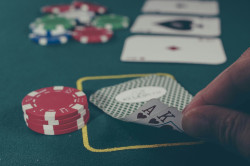
In the world of casinos, one figure stands out as both fascinating and seductive: the high roller. The player who bets big, wins big, and lives surrounded by glamour, champagne, and risk. For many everyday players, the high roller becomes a symbol of the ultimate dream — to beat the odds, outsmart the system, and walk away a winner. But how does this myth shape the way ordinary people play? And what happens when the dream of a big win becomes part of everyday life?
The High Roller as a Modern Myth
The high roller isn’t just a gambler — he’s a story. In movies, ads, and pop culture, he’s portrayed as a charismatic risk-taker who dares to go all in. He moves through a world of luxury, where risk is part of the thrill and losses rarely make the cut.
This story has a powerful pull. It taps into our fascination with success and control — the idea that courage and intuition can overcome chance. But in reality, the high roller is the exception, not the rule. Most players lose over time, and the house edge never sleeps. Still, the myth endures because it offers something deeply human: the feeling of being in control, of taking chances, and of possibly changing one’s life with a single lucky spin.
When the Dream Rubs Off on Everyday Players
Few people ever gamble thousands of dollars at a time, yet the high roller myth influences everyday players too. Many find themselves — consciously or not — mimicking the behavior of the big spenders: raising their bets, chasing losses, or playing longer than they planned.
Online casinos and sports betting apps often amplify this effect. They borrow the language and imagery of the high roller world: VIP programs, exclusive bonuses, and “elite tiers” that promise status and rewards. It creates the illusion of climbing a social ladder — from casual player to something more.
Behind the glamour lies a psychological mechanism researchers call the “illusion of control.” When we play, we often believe our choices or strategies can influence outcomes, even when results are purely random. That belief makes it easier to justify bigger bets — and harder to walk away.
The Emotional Payoff
For many, gambling isn’t just about money — it’s about emotion. The excitement, adrenaline, and hope of winning deliver a short-lived rush, similar to the thrill of taking risks in other parts of life. The high roller becomes an ideal of someone who dares to live intensely, in contrast to the predictability of everyday routines.
But that emotional reward can also make gambling addictive. When the brain links risk with pleasure, it can drive people to seek that feeling again and again — even when losses start to outweigh wins. That’s when the dream of the big win turns into a trap.
The Reality Behind the Glamour
In real casinos, true high rollers are rare — often professionals or sponsored players with access to resources most people don’t have. The majority of gamblers are on the opposite end of the spectrum: small bets, limited budgets, and gambling as entertainment rather than investment.
Yet because the high roller dominates the cultural story of gambling, it’s easy to lose perspective. Many overestimate their chances of winning big and underestimate how much luck is really involved. This can lead to chasing an ideal that doesn’t actually exist.
Playing with Awareness
Understanding the high roller myth isn’t about rejecting gambling altogether — it’s about seeing it for what it is: entertainment, not a path to wealth. If you choose to play, it helps to set clear limits — both financial and time-based — and to remember that the house always has the edge.
Being mindful also means knowing your own motives. Are you playing for excitement, for social connection, or to chase a dream? The better you understand what drives you, the easier it is to keep gambling fun and harmless.
Læs også:

The Myth Lives On — But You Decide How Much It Rules
The high roller myth isn’t going anywhere. It’s tied to everything we dream about: freedom, courage, and success. But like all myths, it’s important to separate story from reality. For most players, the biggest win isn’t the jackpot — it’s the ability to play responsibly and to stop while the game is still fun.
Læs også: