From Status Symbol to Transportation: How Young People View Cars Differently Than Previous Generations


From Status Symbol to Transportation: How Young People View Cars Differently Than Previous Generations
For many Americans who grew up in the 1960s, 70s, and 80s, owning a car was a rite of passage—a symbol of freedom, success, and adulthood. The first set of car keys represented independence and achievement. But today, that image is shifting. Among younger generations, the car is increasingly seen as a practical tool rather than a status symbol. What’s behind this change, and what might it mean for the future of car culture in the United States?
From Dream to Necessity
For decades, getting a driver’s license at sixteen was a milestone that teenagers eagerly anticipated. The car was a dream—something to save for, to show off, to define one’s identity. Today, many young Americans view it differently. A car is simply a way to get from point A to point B, not a reflection of who they are.
Studies show that fewer young people are getting their driver’s licenses, especially in urban areas. Rising costs of ownership, student debt, and the availability of public transit and rideshare options all play a role. Where a car once represented freedom, it now often represents financial burden—insurance, maintenance, gas, and parking fees add up quickly.
New Values and Priorities
Younger generations are also shaped by growing environmental awareness. Driving is no longer automatically associated with independence, but often with carbon emissions and traffic congestion. Many young people prefer biking, walking, or using public transportation—not only because it’s cheaper, but because it aligns with their values around sustainability and community.
Technology has also changed the way people move and connect. Remote work, online education, and digital social lives mean that mobility doesn’t always require physical travel. The world comes to them through screens, reducing the need for daily commutes or long drives.
Mobility as a Service
One of the most significant shifts is the move from ownership to access. While previous generations dreamed of owning their own car, many young Americans are content to share. Car-sharing programs, ridesharing apps, and subscription-based mobility services make it easy to use a car when needed—without the long-term commitment.
This reflects a broader cultural trend: access over ownership. It’s no longer about having a car in the driveway, but about having the flexibility to move when and how you want. Convenience and adaptability often outweigh the pride of ownership.
The Electric Car – A Middle Ground
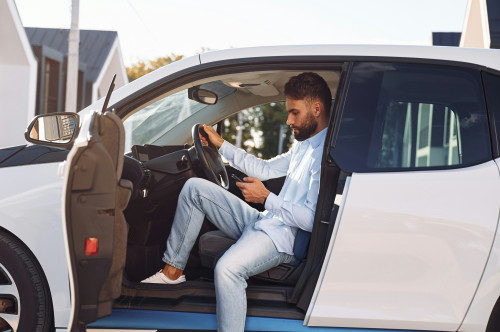
Despite skepticism about car ownership, young people aren’t turning their backs on driving altogether. Electric vehicles (EVs) offer a compromise between mobility and environmental responsibility. For some, driving an EV feels like a way to maintain freedom while minimizing harm to the planet.
However, even here, generational differences are clear. Older drivers may see EVs as the next step in automotive evolution, while younger ones view them as part of a larger ecosystem of sustainable transportation—alongside bikes, scooters, buses, and trains.
Læs også:


A New Car Culture Emerging
The role of the car in American life is changing. It remains important, but in a different way. For younger generations, mobility is less about ownership and more about movement—efficient, affordable, and environmentally conscious.
That doesn’t mean the love of cars is disappearing. It’s simply evolving. Where older generations might have spent weekends washing and waxing their cars, younger people might take satisfaction in finding the nearest shared vehicle through an app. The sense of freedom is still there—it’s just being expressed in new ways.
Læs også: