When School Meets Industry: The Collaboration Driving the Automotive Skills of the Future


When School Meets Industry: The Collaboration Driving the Automotive Skills of the Future
How do we ensure that tomorrow’s mechanics, technicians, and automotive specialists have the skills the modern industry demands? The answer lies in closer collaboration between schools and businesses—a partnership that goes far beyond internships to include shared innovation, curriculum development, and a mutual understanding of a rapidly changing field.
An Industry in Transformation
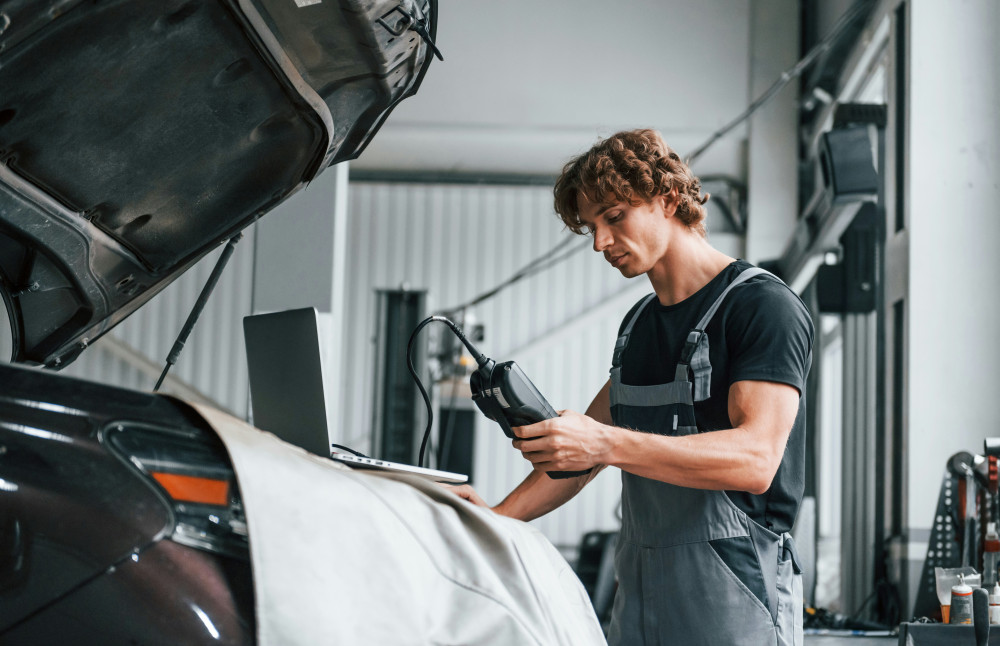
The automotive world is undergoing a technological revolution. Electrification, automation, and sustainability are reshaping everything from manufacturing to maintenance. Where a mechanic once relied on wrenches and oil filters, today’s professionals must understand software, sensors, and high-voltage systems.
To keep pace, education and industry must work hand in hand. It’s no longer enough for students to learn the basics in the classroom—they need exposure to the latest technologies and real-world practices that only industry can provide.
Læs også:


Partnerships That Make a Difference
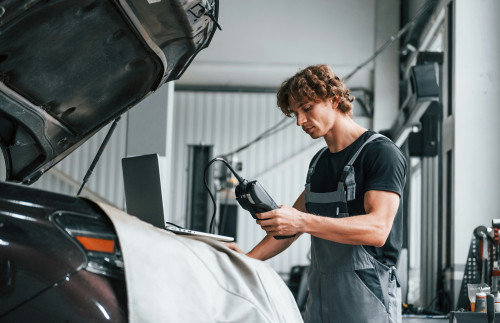
Across the United States, technical colleges and high schools are forming strategic partnerships with automakers, suppliers, and dealership networks. Together, they design training programs that reflect the realities of the modern shop floor. Students gain hands-on experience with the same diagnostic tools, electric vehicles, and digital systems they’ll encounter in the workplace.
In some programs, manufacturers provide vehicles, software, and equipment for classroom use. In return, they gain access to a pipeline of well-prepared graduates who bring fresh ideas and up-to-date knowledge. It’s a win-win: schools deliver relevant education, and companies secure skilled employees ready to contribute from day one.
Teachers as Connectors
Teachers play a crucial role in bridging the gap between education and industry. As technology evolves, instructors must stay current. Many schools now send their automotive educators to industry training sessions or short-term placements at dealerships and manufacturing plants. These experiences allow teachers to bring the latest insights directly back to their students.
This exchange creates a dynamic learning environment where theory meets practice. The teacher becomes not just an instructor, but a connector—someone who ensures that education remains aligned with industry needs.
Students as Future Innovators
For students, these collaborations make learning more meaningful. They work on real-world challenges, understand how sustainability and innovation intersect, and see firsthand how their skills apply in professional settings. Many report higher motivation and confidence, knowing that what they learn in school directly prepares them for their careers.
Programs that integrate industry projects or mentorships also help students develop soft skills—communication, teamwork, and problem-solving—that are essential in today’s automotive workplaces.
The Green Transition Demands New Skills
The shift toward electric and hybrid vehicles is one of the biggest forces driving this collaboration. Working safely with high-voltage systems, understanding battery management, and mastering energy-efficient repair processes all require specialized training. Schools are responding by creating dedicated programs in electric vehicle technology, often supported by industry partners who provide equipment and expertise.
These initiatives not only prepare students for emerging jobs but also help companies meet their sustainability goals by ensuring a workforce ready for the green transition.
A Shared Responsibility for the Future
When schools and industry come together, they do more than improve education—they build a shared foundation for the future of mobility. It takes investment, trust, and a willingness to innovate, but the payoff is significant: a generation of automotive professionals equipped to handle both today’s challenges and tomorrow’s opportunities.
In the end, this collaboration isn’t just a necessity—it’s a driving force for innovation, quality, and sustainability across the entire automotive sector.
Læs også: