DIY projects for the homemaker: improve your home
Find inspiration for DIY projects that can transform your home without becoming a financial burden. The e-book offers step-by-step instructions for simple tasks so you can build, repair and decorate with confidence.
Start your reading now

How to Store Fresh Produce So It Lasts Longer and Keeps Its Flavor

Keep your fruits and vegetables fresh, flavorful, and waste-free with smart storage strategies
Gastronomy
Gastronomy
7 min
Learn how to make your fresh produce last longer with simple storage tips that preserve taste and texture. Discover which foods belong in the fridge, how to balance moisture and airflow, and easy ways to reduce food waste while saving money.
Hailey Evans
Hailey
Evans

How to Store Fresh Produce So It Lasts Longer and Keeps Its Flavor

Keep your fruits and vegetables fresh, flavorful, and waste-free with smart storage strategies
Gastronomy
Gastronomy
7 min
Learn how to make your fresh produce last longer with simple storage tips that preserve taste and texture. Discover which foods belong in the fridge, how to balance moisture and airflow, and easy ways to reduce food waste while saving money.
Hailey Evans
Hailey
Evans

Fresh produce is the foundation of great cooking—but fruits and vegetables can lose their flavor and texture quickly if they’re not stored properly. Many Americans end up tossing food that could have lasted days longer with just a few simple storage tricks. By understanding how different foods prefer to be stored, you can reduce waste, save money, and enjoy fresher, tastier meals. Here’s a practical guide to keeping your produce fresh for as long as possible.

Know What Belongs in the Fridge—and What Doesn’t

It’s tempting to put everything in the refrigerator, but not all produce likes the cold. Some fruits and vegetables lose flavor or texture when chilled.

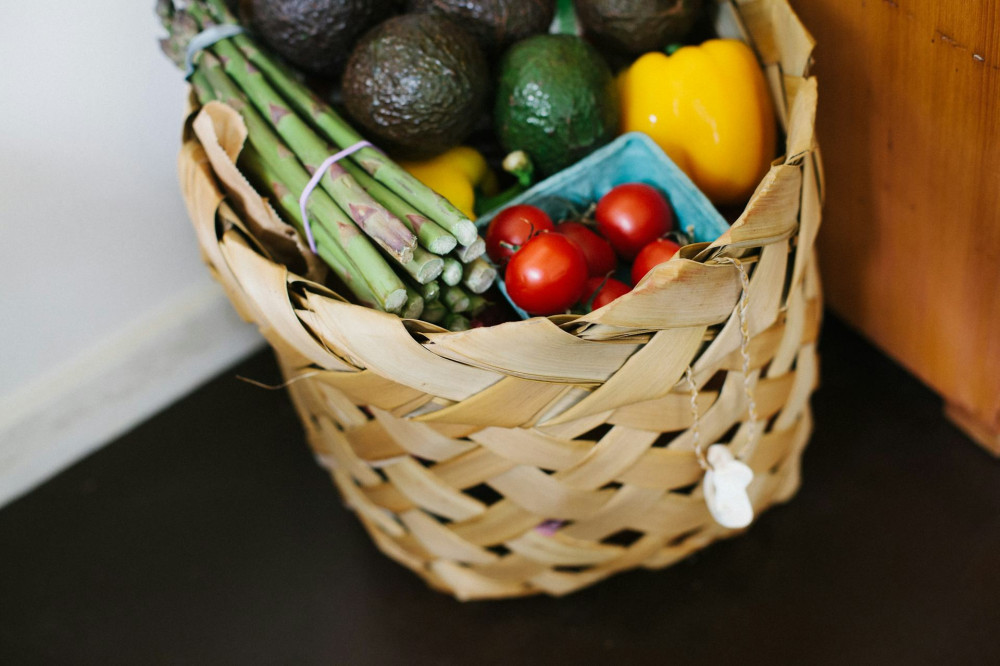
  • Tomatoes, cucumbers, and bell peppers do best at room temperature. Cold temperatures can make them mealy and dull in flavor.
  • Potatoes, onions, and garlic should be stored in a cool, dark place—like a pantry or basement—but not in the fridge.
  • Apples, pears, and citrus fruits can sit out for a few days but will last longer in the refrigerator if you don’t plan to eat them right away.

A good rule of thumb: store produce the same way you found it at the grocery store. If it was refrigerated there, keep it cold at home. If it was displayed at room temperature, it’s usually best left out.

Vegetables: Balance Moisture and Airflow

Most vegetables last longest in the crisper drawer of your fridge, where humidity is higher. But how you package them matters.

  • Leafy greens like lettuce, spinach, and herbs stay crisp if you rinse them, dry them gently, and store them in an airtight container with a slightly damp paper towel.
  • Root vegetables such as carrots, beets, and parsnips can last for weeks in a perforated plastic bag that allows them to breathe.
  • Broccoli and cauliflower should be loosely wrapped in plastic or paper and kept in the fridge—they lose nutrients and flavor quickly if left too long.

Avoid washing vegetables until you’re ready to use them, unless you plan to eat them within a few days. Excess moisture can speed up spoilage.

Fruit: Keep Them Separate

Fruits give off natural gases that affect how quickly they ripen. Apples, bananas, and tomatoes release ethylene gas, which can cause nearby fruits to ripen—and rot—faster.

Store fast-ripening fruits separately from delicate ones like berries, grapes, and citrus. If you want to ripen a hard avocado quickly, place it in a paper bag with an apple or banana for a day or two.

Berries are among the most fragile fruits. Don’t wash them until just before eating, and store them in a shallow container lined with paper towels to absorb moisture.

Meat, Fish, and Dairy: Keep It Cold and Consistent

Temperature stability is key for animal products. Keep them in the coldest part of your fridge—usually the bottom shelf or back.

  • Raw meat should be tightly sealed and used within a couple of days, or frozen in meal-size portions.
  • Fish is even more perishable—eat it the same day you buy it or freeze it immediately.
  • Dairy products like milk, yogurt, and cheese should be stored in the middle of the fridge, where the temperature is most consistent. Avoid the door, where it fluctuates most.

When freezing meat or fish, label packages with the date. Most types keep their quality for three to six months.

Fresh Herbs and Flavor Boosters

Fresh herbs can be tricky to keep vibrant, but a few simple methods help them last.

  • Tender herbs like parsley, cilantro, and basil can be stored like flowers—stems in a glass of water on the counter, loosely covered with a plastic bag.
  • Hardy herbs like rosemary, thyme, and sage last longer in the fridge wrapped in a damp paper towel.
  • Ginger and chili peppers keep well in the fridge for weeks, or you can freeze them in small pieces for easy use later.

Use Your Freezer Wisely

The freezer is your best friend for extending shelf life—but only if you use it properly. Store food in airtight bags or containers, removing as much air as possible. Freeze in small portions so you can thaw only what you need.

Vegetables like peas, green beans, and spinach can be blanched briefly in boiling water before freezing to preserve color and flavor. Fruits can be frozen for smoothies or baking, though their texture may soften once thawed.

A Few General Tips

  • Keep your fridge temperature between 35°F and 40°F.
  • Clean out your fridge regularly to avoid forgotten items.
  • Follow the “first in, first out” rule—use older items before newer ones.
  • Store food in clear containers so you can easily see what you have.

With a little care and attention, you can make your fresh produce last longer, taste better, and help cut down on food waste—all while keeping your kitchen stocked with ingredients that are ready when you are.

Turn Meal Prep into a Creative Process – and Stay Motivated
Discover how to make meal prep enjoyable, inspiring, and uniquely your own
Gastronomy
Gastronomy
Meal Prep
Healthy Eating
Motivation
Cooking Tips
Lifestyle
5 min
Meal prep doesn’t have to feel like a weekly obligation. Learn how to turn it into a creative, motivating process that helps you eat well, save time, and enjoy every step in the kitchen.
Camila Hall
Camila
Hall
How to Store Fresh Produce So It Lasts Longer and Keeps Its Flavor
Keep your fruits and vegetables fresh, flavorful, and waste-free with smart storage strategies
Gastronomy
Gastronomy
Food Storage
Fresh Produce
Kitchen Tips
Healthy Eating
Sustainability
7 min
Learn how to make your fresh produce last longer with simple storage tips that preserve taste and texture. Discover which foods belong in the fridge, how to balance moisture and airflow, and easy ways to reduce food waste while saving money.
Hailey Evans
Hailey
Evans
Small Habits, Big Impact: How to Stick to Your Meal Plan
Turn your meal plan into a sustainable routine with simple, everyday strategies
Gastronomy
Gastronomy
Meal Planning
Healthy Eating
Nutrition
Lifestyle Habits
Motivation
7 min
Discover how small, consistent habits can help you stick to your meal plan for the long term. Learn practical ways to plan, stay flexible, and build systems that make healthy eating easier and more enjoyable.
Miguel Campbell
Miguel
Campbell
Seasonal Dining – Inspiration for the Best Dinner Parties All Year Round
Celebrate every season with delicious, fresh ingredients and unforgettable dinner parties
Gastronomy
Gastronomy
Seasonal Cooking
Dinner Parties
Entertaining
Food Inspiration
Sustainable Eating
7 min
Discover how to make the most of each season’s flavors with creative menu ideas and hosting tips. From vibrant spring dishes to cozy winter comfort food, learn how to plan dinner parties that feel perfectly in tune with the time of year.
Breanna Nelson
Breanna
Nelson
Perfect Kitchen Staples Every Time: Master the Art of Boiling, Sautéing, and Steaming
Elevate your everyday cooking with simple techniques that make every ingredient shine
Gastronomy
Gastronomy
Cooking Techniques
Home Cooking
Kitchen Skills
Food Preparation
Culinary Basics
6 min
Discover how to perfect the essential cooking methods of boiling, sautéing, and steaming. Learn how small adjustments in heat, timing, and technique can transform your dishes from ordinary to outstanding and help you cook with confidence every time.
Madelyn Ortiz
Madelyn
Ortiz
Sleep Better, Live Better: The Importance of Sleep for Men’s Body and Mind
Discover how quality sleep can transform your health, energy, and mental clarity
He
He
Sleep
Men’s Health
Wellness
Mental Health
Lifestyle
7 min
Sleep is more than just rest—it’s a foundation for strength, focus, and overall well-being. Learn why sleep is vital for men’s physical and mental health, the common challenges that disrupt it, and practical ways to improve your nightly routine for a healthier, more balanced life.
Camila Hall
Camila
Hall
Small Changes, Big Savings – How to Have More Money in Your Pocket Without Sacrificing Quality of Life
Simple lifestyle tweaks that help you save more without cutting back on what you love
He
He
Personal Finance
Budgeting
Saving Money
Lifestyle
Financial Wellness
5 min
Discover how small, smart changes in your daily habits can lead to big financial rewards. Learn practical ways to manage your money better, reduce wasteful spending, and still enjoy the quality of life you value.
Hailey Evans
Hailey
Evans
Healthy Habits for Life: How to Strengthen Your Body and Mind – and Prevent Prostate Cancer
Build lasting wellness through simple daily choices that protect your body, sharpen your mind, and reduce cancer risk.
He
He
Health
Wellness
Prostate Cancer
Nutrition
Fitness
4 min
Discover how small, consistent lifestyle changes can strengthen your body, support your mental well-being, and help prevent prostate cancer. From nutrition and exercise to stress management and regular screenings, learn how to create healthy habits that last a lifetime.
Miguel Campbell
Miguel
Campbell