Small Habits, Big Impact: How to Stick to Your Meal Plan


Small Habits, Big Impact: How to Stick to Your Meal Plan
Creating a meal plan is one thing—sticking to it is another. Many people start with enthusiasm, only to find that busy schedules, cravings, and unexpected events throw them off track. The good news? Success doesn’t depend on willpower alone. Small, consistent habits can make the difference between a short-term effort and a lasting lifestyle change. Here’s how to build routines that help you stay on course—without feeling deprived.
Start with Realistic Goals
One of the biggest mistakes people make when starting a meal plan is trying to change everything at once. Overhauling your entire diet overnight can feel overwhelming and unsustainable. Instead, begin with small, achievable goals that you can build on over time.
- Swap sugary drinks for water or sparkling water during the week.
- Add an extra serving of vegetables to your dinner.
- Eat breakfast every day if you usually skip it.
Each small success builds momentum and confidence. Remember, progress—not perfection—is what keeps you moving forward.
Make Planning a Weekly Habit
Meal plans work best when you remove last-minute decisions. Planning ahead helps you avoid temptation and makes healthy choices easier.
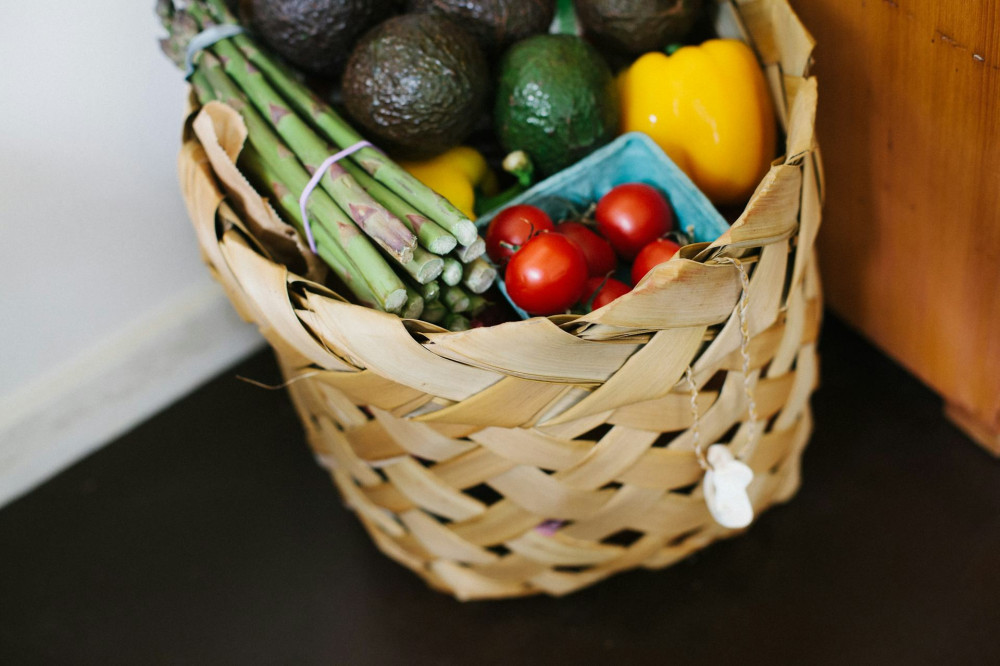
Set aside time once a week—perhaps on Sunday—to plan your meals. Write a grocery list and stock up on the ingredients you’ll need. Consider prepping some items in advance, like cooking grains, chopping vegetables, or grilling chicken for the week.
When you have a plan and your fridge is ready, it’s much easier to stay consistent, even when life gets hectic.
Create Consistent Mealtime Routines
Your body thrives on rhythm. Eating around the same times each day helps regulate hunger and fullness, making it easier to avoid impulsive snacking.
Turn meals into mindful moments: sit down, put away your phone, and focus on your food. This not only helps you enjoy your meals more but also encourages better portion control.
If your days are busy, keep healthy snacks on hand—like nuts, fruit, or Greek yogurt—so you’re not tempted by vending machines or drive-thrus.
Allow Flexibility—Avoid All-or-Nothing Thinking
A meal plan should guide you, not restrict you. If you treat it like a strict rulebook, it’s easy to burn out. Give yourself permission to enjoy a dinner out, a dessert, or a glass of wine without guilt.
What matters most is what you do consistently, not what happens on a single day. A flexible mindset helps you bounce back after a slip-up instead of giving up entirely.
Læs også:

Build Systems, Not Just Willpower
Willpower fades, but systems last. The key is to make healthy choices the easiest ones. Keep nutritious foods visible and accessible—place fruits and veggies at eye level in the fridge, or pack your lunch the night before.
The fewer decisions you have to make during the day, the easier it becomes to stay on track. Over time, these small systems turn into automatic habits—and that’s where real change happens.
Stay Motivated with Purpose and Support
Motivation naturally fluctuates, so it helps to remind yourself why you started. Write down your reasons—maybe it’s more energy, better health, or feeling confident in your own skin—and revisit them when your drive dips.
Accountability also makes a difference. Share your goals with a friend, join a fitness group, or use an app to track your progress. Having support keeps you focused and makes the journey more enjoyable.
Small Steps, Lasting Results
Sticking to a meal plan isn’t about being perfect—it’s about being consistent. The small habits you build—planning ahead, eating mindfully, staying flexible, and setting up supportive systems—create a foundation for long-term success.
Once these habits become part of your daily life, healthy eating stops feeling like a chore and starts feeling natural. That’s when the real transformation begins.
Læs også: